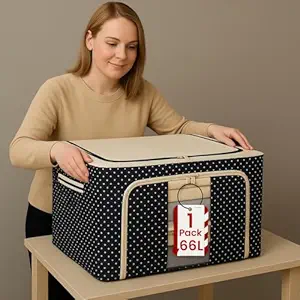
Muslin Saree Storage Bag
- 100% breathable unbleached cotton muslin
- Prevents moisture, fungus & yellowing
- Soft interior protects zari work
- No hanging option
- Limited colour choices
Your grandmother's Kanjeevaram. Your wedding Benarasi. That cotton daily-wear you reach for every weekend. Each one needs different storage — and the wrong choice can ruin them. Here's how to get it right.
Not all storage is created equal. Here's how the main types stack up against each other so you can pick the right one for your collection.
| Organizer Type | Best For | Airflow | Protection | Space Saving | Price Range | Recommendation |
|---|---|---|---|---|---|---|
| Hanging Organiser | Daily wear, cotton sarees | ✓ Good | ✓ Moderate | ✓ High | ₹400–900 | Good |
| Foldable Storage Bag | Silk, bridal, heavy sarees | ✓ Good | Excellent | ✓ Medium | ₹300–800 | Best |
| Storage Box | Premium & long-term storage | ✓ Fair | Excellent | ✗ Low | ₹800–2000 | Premium |
| Wardrobe Divider | Small wardrobes, daily access | ✓ Good | ✓ Fair | Excellent | ₹200–500 | Good |
| Muslin Wrap | Heirloom & antique sarees | Excellent | Excellent | ✓ Medium | ₹150–400 | Best |
| Plastic Cover | Short-term travel only | None | ✓ Low | ✓ High | ₹50–150 | Avoid |
Most wardrobe damage is preventable. Here's what actually causes the harm and how to stop it before it starts.
Indian humidity finds its way into every wardrobe. Left unchecked, it creates the perfect breeding ground for mildew — the kind that leaves permanent stains on silk and zari.
Dark, poorly-ventilated corners are where fungus thrives. Once it gets into silk fibres, those stains and that musty smell are nearly impossible to get rid of.
Plastic covers trap moisture and block airflow. Over time, they cause yellowing and the chemicals can react badly with delicate silk and zari work.
Stuffing too many sarees into a small space crushes delicate fabrics, creates creases that won't come out, and blocks the airflow your sarees need to stay fresh.
Direct sunlight fades even the most vibrant colours. Over months, UV exposure dulls silk sheen and bleaches dyes unevenly, especially on darker shades.
Folding in the same place over and over weakens silk fibres and stresses zari. Heavy embellishments need extra care, or they'll tear the fabric they're stitched to.
Every saree is different. A heavy Banarasi needs different support than a light cotton daily-wear. We picked the best storage solution for each type based on what actually works in Indian homes.
The way you fold matters more than you think. One wrong crease can weaken silk fibres over time. Here's the method we recommend for long-term preservation.
Spread the saree on a clean surface — your bed works fine. Smooth out any wrinkles with your palms and make sure the edges are straight before you start folding.
Fold the saree into thirds along its length, keeping the border and pallu aligned. Be careful not to fold zari areas over themselves — that causes permanent creases.
Tuck acid-free tissue paper between the folds, especially where there's heavy zari or embroidery. This stops the metal threads from rubbing against each other and tarnishing.
Place the folded saree in your chosen organiser, but don't pack it tight. Leave some room for air to circulate — your sarees need to breathe.
Indian monsoons are tough on wardrobes. High humidity, damp walls, and reduced airflow create the perfect storm for saree damage. Here's how to fight back.
Drop a few food-grade silica gel pouches inside your storage bags and in wardrobe corners. Replace them every couple of months — they stop working once they're saturated.
Switch to cotton or muslin bags during monsoon. Natural fabrics wick moisture away instead of trapping it against your sarees the way plastic does.
Open your wardrobe doors for half an hour every day during monsoon season. If your room feels humid, point a small desk fan inside for a few minutes.
Plastic covers create a greenhouse effect in your wardrobe when humidity spikes. That trapped condensation is the single biggest cause of fungal growth on silk.
Tuck dried neem leaves into muslin pouches and place them inside your storage. They repel moths naturally without leaving any chemical smell on your sarees.
If you live in a high-humidity area like Mumbai or Kerala, a small wardrobe dehumidifier or rechargeable silica gel canister makes a real difference.
The fabric your storage organiser is made of matters just as much as the organiser itself. Here's how the common options compare for long-term saree care.
Bottom line: For saree storage, stick with natural, breathable materials — cotton or muslin. They're the safest choice for keeping silk, zari, and delicate fabrics in good condition year after year.
Here are seven things to think about before buying a saree storage organiser. Get these right and your collection will stay safe for years.
Quick answers to the questions we get asked most often about saree storage — from silk care to monsoon protection.
Every year, thousands of sarees get damaged during monsoon season. A good storage organiser costs a fraction of what you'd spend replacing a single silk saree. Protect yours now.
Shop Top-Rated Organisers